Why Cholesterol Management in India Requires More Than LDL Reduction: A Lifestyle and Metabolic Framework (2026)
India's cholesterol crisis goes beyond LDL: metabolic risk, lifestyle factors, and low treatment adherence demand a multi-marker, multi-strategy approach aligned with 2026 global and Indian-specific guidelines.
Why Cholesterol Management in India Requires More Than LDL Reduction: A Lifestyle and Metabolic Framework (2026)
Cholesterol management in India is defined not by a single number but by a constellation of metabolic, dietary, and social factors that make the Indian cardiovascular risk profile uniquely difficult to address with LDL reduction alone. The 2026 ACC/AHA guideline now sets an LDL-C target of below 55 mg/dL for very-high-risk patients — a threshold that a large proportion of high-risk Indians currently fail to reach — while Indian cardiologists have independently endorsed the same aggressive target in expert consensus frameworks tailored to the subcontinent's real-world clinical environment.
The gap between guideline ambition and lived reality in India is wide. Poor adherence to lipid-lowering therapy, delayed treatment intensification, high rates of insulin resistance, and a food culture undergoing rapid transition all conspire to keep cardiovascular risk elevated even in patients nominally "on treatment." Understanding why cholesterol management in India demands a broader metabolic and lifestyle framework is the starting point for closing that gap.
Cholesterol vs. Lipid Risk: A Snapshot Comparison for Indian Patients
Before examining each dimension of the problem, it helps to see the key risk markers, their Indian-context significance, and current guideline targets side by side.
| Lipid / Biomarker | What It Measures | Indian-Context Concern | 2026 Guideline Target (Very High Risk) |
|---|---|---|---|
| LDL-C (Low-Density Lipoprotein Cholesterol) | "Bad" cholesterol driving plaque formation | Indians develop ASCVD at lower LDL levels than Western populations | < 55 mg/dL |
| HDL-C (High-Density Lipoprotein Cholesterol) | Reverse cholesterol transport; traditionally "protective" | Chronically low in Indian adults due to sedentary lifestyle and refined-carb diets | > 40 mg/dL (men), > 50 mg/dL (women) |
| Triglycerides | Dietary fat and sugar metabolism marker | Elevated in Indians with insulin resistance and high-carbohydrate intake | < 150 mg/dL |
| Lipoprotein (a) [Lp(a)] | Genetically determined atherogenic particle | Underscreened in India; elevated in South Asians | Assess in all high-risk patients |
| Apolipoprotein B (ApoB) | Total atherogenic particle burden | More predictive than LDL-C alone in insulin-resistant individuals | Recommended alongside LDL-C |
| Non-HDL Cholesterol | All atherogenic lipoproteins combined | Captures risk missed by LDL-C in hypertriglyceridaemic Indians | < 85 mg/dL (very high risk) |
This table illustrates why a single LDL-C reading, while important, is an incomplete map of cardiovascular risk in the Indian context. Each of these markers tells a different part of the story.
What Is Cholesterol, and Why Does the Body Need It?
Cholesterol is a waxy, fat-like substance naturally synthesised by the liver and present in every cell of the human body. It is not inherently harmful. As The Hindu reports, cholesterol is essential for building cell membranes, producing hormones such as oestrogen and testosterone, and synthesising vitamin D. Without cholesterol, normal physiological function would be impossible.
The problem begins not with cholesterol's existence but with its excess and imbalance — specifically when LDL particles accumulate in arterial walls, oxidise, and trigger the inflammatory cascade that leads to atherosclerosis. This distinction matters enormously for public health communication in India, where fear-based messaging around cholesterol often leads patients to either over-medicate or, paradoxically, to dismiss the issue entirely because they feel well.
Dyslipidaemia is an abnormal level of lipids in the blood, encompassing elevated LDL-C, elevated triglycerides, low HDL-C, or any combination thereof. In India, dyslipidaemia is not a single-pattern disorder: Indian guidelines for dyslipidaemia management recognise that the country's population presents with a mixed dyslipidaemia phenotype — high triglycerides and low HDL alongside moderately elevated LDL — which is closely tied to insulin resistance, central obesity, and dietary patterns dominated by refined carbohydrates.
Why Is the Indian Cardiovascular Risk Profile Different?
Indians develop atherosclerotic cardiovascular disease (ASCVD) roughly a decade earlier than their Western counterparts, and they do so at lower absolute LDL-C levels. This is not merely a statistical curiosity — it has direct implications for when screening should begin, what targets should be set, and which therapies should be prioritised.
Several biological and epidemiological factors converge to create this heightened vulnerability:
Central adiposity without overt obesity. Many Indians carry excess visceral fat at body weights that Western BMI cutoffs classify as "normal." This visceral fat drives insulin resistance, which in turn suppresses HDL production and elevates triglyceride synthesis in the liver. The result is a lipid profile that looks less dangerous on a standard panel than it actually is.
Insulin resistance as a lipid driver. Insulin resistance is not merely a diabetes precursor; it actively reshapes the lipid profile. It promotes the production of small, dense LDL particles — the most atherogenic LDL subtype — while simultaneously lowering HDL-C and raising triglycerides. Indian dyslipidaemia guidelines explicitly flag this metabolic pattern as a primary driver of cardiovascular risk in the subcontinent, distinct from the hypercholesterolaemia patterns more common in European populations.
Genetic predisposition. South Asians have higher circulating levels of lipoprotein(a), a genetically determined atherogenic particle that statins do not significantly reduce. Lp(a) is now formally recommended for measurement in high-risk patients by the 2026 ACC/AHA guideline, yet it remains largely unscreened in routine Indian clinical practice.
Dietary transition. Urban India has underged a rapid shift from traditional whole-food diets toward ultra-processed foods high in refined carbohydrates, trans fats, and added sugars. The Hindu's analysis notes that while traditional fats are easy to blame, the reality is that unhealthy diets, lack of physical activity, and chronic stress all play a large part in creating lipid imbalances. Maida-based snacks, sweetened beverages, and restaurant cooking oils are now ubiquitous across income strata.
Physical inactivity and stress. Urbanisation has dramatically reduced incidental physical activity. Desk-bound work, long commutes, and disrupted sleep patterns elevate cortisol, which in turn raises blood glucose and promotes atherogenic dyslipidaemia. These are social and structural determinants of cardiovascular risk that no statin can fully offset.
What Do the 2026 Guidelines Actually Recommend?
The 2026 ACC/AHA cholesterol guideline — developed jointly by the American College of Cardiology, the American Heart Association, and nine other major medical associations — represents the most significant update to cardiovascular risk management in years. Its key departures from prior guidance are directly relevant to Indian clinical practice.
Earlier risk assessment. The age range for cardiovascular risk assessment has been expanded to 30–79 years, up from the previous 40–75 years. For Indians, who develop ASCVD earlier, this expansion is particularly meaningful. Clinicians should now be calculating 10-year and 30-year ASCVD risk for patients in their thirties.
Lower treatment threshold. Lipid-lowering therapy is now recommended for individuals with a 10-year ASCVD risk of 5%, a significant lowering of the intervention bar. This will bring many more Indian patients — especially those with diabetes, hypertension, or a family history of premature heart disease — into the treatment zone.
New risk calculator. The guideline endorses the PREVENT-ASCVD calculator, derived from data on more than 3 million US adults and validated externally. Unlike older tools, PREVENT incorporates haemoglobin A1c, urinary albumin-to-creatinine ratio, and social determinants of health including ZIP code (or equivalent socioeconomic proxies). For Indian clinicians, the inclusion of metabolic markers like HbA1c is a significant step toward capturing the insulin-resistance-driven risk that older calculators missed.
Multi-marker approach. Beyond LDL-C, the 2026 guideline recommends measuring coronary artery calcium (CAC), lipoprotein(a), and apolipoprotein B to more precisely characterise ASCVD risk. This multi-marker philosophy aligns with what Indian cardiologists have been advocating for years: that LDL-C alone is an insufficient guide for treatment decisions in a population with high rates of mixed dyslipidaemia.
Tiered LDL-C targets. The guideline specifies an LDL-C target of below 100 mg/dL for primary prevention, below 70 mg/dL for high-risk patients, and below 55 mg/dL for those with established ASCVD at extremely high risk. This last threshold is identical to the target endorsed by the Indian expert panel convened to address lipid control in very-high-risk Indian patients.
Childhood screening. Cholesterol screening is now recommended for all children aged 9–11 years. For children with first- or second-degree relatives with premature ASCVD or familial hypercholesterolaemia, screening with a full lipid profile is reasonable from age 2. Given the early onset of cardiovascular disease in Indian families, this recommendation has particular salience for the subcontinent.
How Do Indian-Specific Guidelines Address the Gap?
Indian cardiologists have developed a framework specifically for very-high-risk patients who fail to achieve LDL-C targets in real-world practice. A landmark expert opinion published in the European Cardiology Review Journal — involving senior cardiologists from across India — offers practical solutions grounded in the country's clinical realities.
The panel's core finding is stark: despite solid clinical guidelines and the availability of potent lipid-lowering therapies, many very-high-risk dyslipidaemia patients fail to achieve target LDL-C levels, primarily due to poor adherence and delayed treatment intensification. This is not a pharmacological failure — it is a systems and behavioural failure.
The panel proposed a 2×2 decision matrix that tailors lipid-lowering therapy based on two axes: patient adherence and cardiovascular risk level. The key recommendations from this framework include:
Combination therapy from the outset for very-high-risk patients. Rather than starting with a statin and adding agents sequentially over months or years, the Indian expert panel recommends early initiation of combination therapy — typically a high-intensity statin plus ezetimibe — for patients with very high baseline LDL-C. Sequential monotherapy wastes time that the arterial wall cannot afford.
PCSK9 inhibitors for non-adherent patients. For patients who struggle with daily oral medication, inclisiran — a twice-yearly injectable PCSK9 inhibitor — offers a practical solution. Its infrequent dosing schedule dramatically reduces the adherence burden. The panel specifically recommends inclisiran for non-adherent patients in the very-high-risk category.
A simplified decision algorithm. The panel calls for a simplified clinical decision tool that accounts for adherence patterns and promotes timely treatment intensification. In Indian clinical practice, where patient follow-up is often irregular and polypharmacy is common, a simple algorithm is more likely to be used than a complex one.
The LDL-C target of < 55 mg/dL. The panel strongly recommends an LDL-C target of below 55 mg/dL for very-high-risk patients, aligning with European Society of Cardiology guidelines and the 2026 ACC/AHA update. This target is currently met by a minority of eligible Indian patients.
What Role Does Lifestyle Play — and Why Is It Not Optional?
The 2026 ACC/AHA guideline is unambiguous: all pharmacological therapies should be used in tandem with lifestyle modifications and behavioural interventions to have the greatest impact on reducing ASCVD risk. This is not a soft recommendation — lifestyle intervention is a clinical requirement, not an optional add-on.
For Indian patients, the lifestyle levers are specific and actionable.
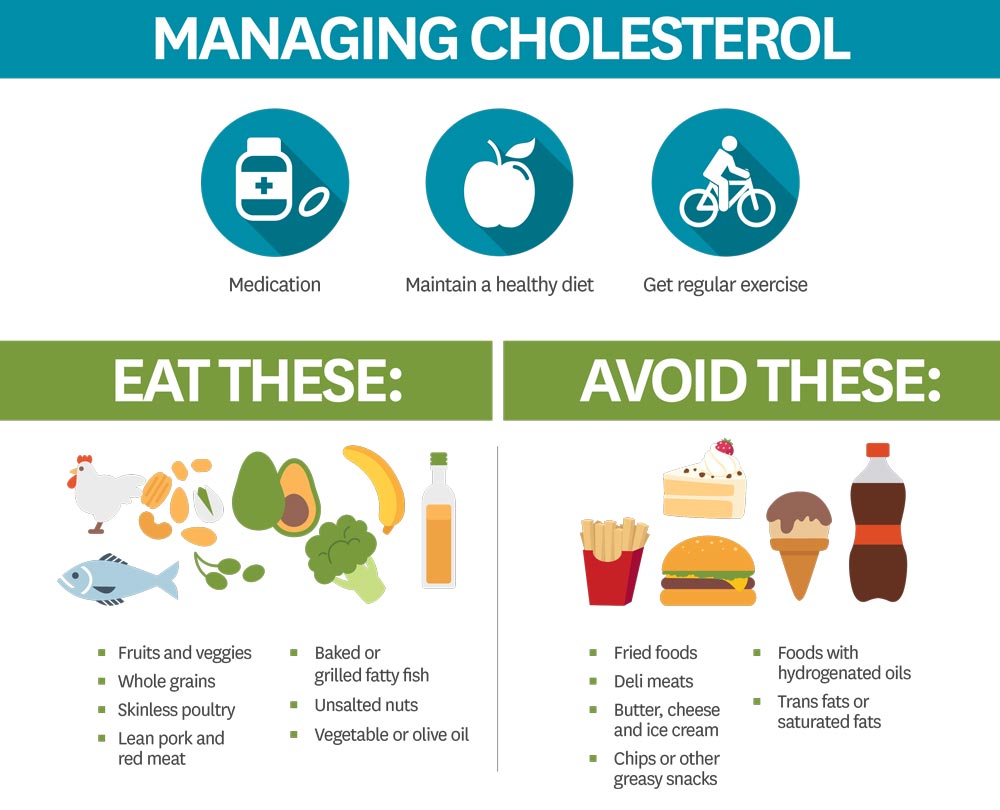
Dietary fat quality over quantity. The blanket demonisation of fat has led many Indians to replace saturated fats with refined carbohydrates — a trade that worsens the triglyceride-HDL axis without improving LDL-C. The evidence now supports replacing saturated fats with unsaturated fats (particularly from sources like mustard oil, groundnut oil, and nuts) while sharply reducing refined carbohydrate intake. Traditional Indian diets — rich in legumes, vegetables, and whole grains — are metabolically protective when not displaced by ultra-processed alternatives.
Physical activity as a lipid-modifying intervention. Regular aerobic exercise raises HDL-C, lowers triglycerides, reduces visceral fat, and improves insulin sensitivity — all of which directly improve the lipid profile. The mechanism is straightforward: exercise activates lipoprotein lipase, the enzyme that clears triglyceride-rich particles from the bloodstream. Even 150 minutes of moderate-intensity activity per week produces measurable lipid benefits within weeks.
Stress and sleep. Chronic psychosocial stress elevates cortisol, which promotes hepatic glucose and triglyceride production. Disrupted sleep — increasingly common in urban India — has independent associations with elevated LDL-C and reduced HDL-C. These are not peripheral concerns; they are metabolic inputs that directly shape the lipid profile.
Alcohol and tobacco. Tobacco smoking accelerates LDL oxidation and endothelial dysfunction, dramatically amplifying the atherogenic effect of any given LDL-C level. Alcohol, while sometimes associated with higher HDL-C at moderate doses, raises triglycerides significantly at higher intakes — a pattern particularly relevant in populations already prone to hypertriglyceridaemia.
The Hindu's analysis frames cholesterol problems as "as much social and lifestyle issues as medical ones" — a framing that resonates with the Indian epidemiological reality. Prescribing a statin without addressing diet, activity, stress, and sleep is treating a symptom while ignoring the disease.
Which Pharmacological Options Are Available Beyond Statins?
Statins remain the cornerstone of lipid-lowering therapy, and high-intensity statins (rosuvastatin 20–40 mg, atorvastatin 40–80 mg) are the first-line choice for high- and very-high-risk Indian patients. But the therapeutic space has expanded considerably, and the 2026 guideline explicitly endorses several alternatives and add-ons.
Ezetimibe inhibits intestinal cholesterol absorption and reduces LDL-C by approximately 15–20% on top of statin therapy. It is inexpensive, well-tolerated, and widely available in India. For patients who cannot tolerate high-intensity statins, ezetimibe combined with a moderate-intensity statin can achieve meaningful LDL-C reduction.
PCSK9 inhibitors (evolocumab, alirocumab) are monoclonal antibodies that block the PCSK9 protein, dramatically increasing LDL receptor recycling and reducing LDL-C by 50–60% on top of maximally tolerated statin therapy. They are injectable (monthly or bimonthly) and highly effective but remain expensive in India, limiting their use to patients who fail oral combination therapy.
Inclisiran is a small interfering RNA (siRNA) therapy that silences hepatic PCSK9 production. Its twice-yearly dosing schedule makes it particularly suitable for non-adherent patients in the very-high-risk category, as the Indian expert panel recommends. It is not yet widely available in India but represents an important near-future option.
Bempedoic acid inhibits ATP-citrate lyase, reducing hepatic cholesterol synthesis upstream of the statin target. It is an oral alternative for statin-intolerant patients and has been endorsed by the 2026 ACC/AHA guideline as a suitable alternative alongside PCSK9 inhibitors and ezetimibe.
Fibrates and omega-3 fatty acids address the triglyceride-HDL axis rather than LDL-C directly. In Indian patients with mixed dyslipidaemia — high triglycerides, low HDL, and moderately elevated LDL — fibrates (particularly fenofibrate) are often added to statin therapy to address the non-LDL component of risk.
The critical point is that no single agent addresses all dimensions of the Indian lipid risk profile. Combination therapy, tailored to the individual's specific lipid pattern, adherence capacity, and comorbidities, is the standard of care — not the exception.
Why Is Treatment Adherence Such a Critical Problem in India?
Adherence to lipid-lowering therapy is a global challenge, but it is particularly acute in India. The Indian expert panel identified poor adherence and delayed treatment intensification as the primary reasons why very-high-risk patients fail to achieve LDL-C targets — not a lack of effective drugs.
Several factors drive non-adherence in the Indian context:
Asymptomatic nature of dyslipidaemia. High cholesterol causes no symptoms until a cardiac event occurs. Patients who feel well have little subjective motivation to take daily medication indefinitely, particularly when that medication has perceived side effects.
Statin myalgia and nocebo effects. Muscle aches are the most commonly reported statin side effect, though true statin-induced myopathy is rare. The nocebo effect — where negative expectations cause perceived side effects — is amplified by social media misinformation about statins in India. Many patients discontinue effective therapy based on anecdotal reports rather than clinical evidence.
Cost and access. While generic statins are inexpensive in India, combination therapies and newer agents carry significant cost burdens. Out-of-pocket healthcare expenditure remains high, and patients often self-discontinue when finances are tight.
Irregular follow-up. India's primary care infrastructure is uneven, and specialist cardiology follow-up is concentrated in urban centres. Patients in semi-urban and rural areas may go months without lipid monitoring, making dose titration and treatment intensification difficult.
Polypharmacy fatigue. Many high-risk patients with dyslipidaemia also have hypertension, diabetes, and other comorbidities. Managing multiple daily medications creates cognitive and logistical burdens that erode adherence across all conditions.
The solution is not to lower the bar — it is to redesign the treatment pathway. The Indian expert panel's recommendation for a simplified decision algorithm, early combination therapy, and adherence-matched drug selection (including long-acting injectables for non-adherent patients) is a direct response to this structural challenge.
What Should Patients and Clinicians Do Differently?
The evidence points to several concrete changes in how cholesterol management is approached in India.
Screen earlier and more broadly. The 2026 guideline's expansion of risk assessment to age 30 is particularly important for Indians. A 35-year-old Indian man with a family history of premature heart disease, central obesity, and borderline fasting glucose is at meaningful cardiovascular risk — and should have a full lipid panel including Lp(a) and ApoB, not just a standard cholesterol screen.
Set the right target for the right patient. Not every patient needs an LDL-C below 55 mg/dL. But very-high-risk patients — those with established ASCVD, diabetes with organ damage, or familial hypercholesterolaemia — do. Clinicians should stratify risk explicitly and communicate the target to patients in terms they understand.
Treat the whole lipid profile. An LDL-C of 65 mg/dL in a patient with triglycerides of 350 mg/dL and HDL-C of 28 mg/dL is not a success story. The non-HDL cholesterol and ApoB in that patient may still be dangerously elevated. Indian dyslipidaemia guidelines emphasise the importance of addressing the full lipid profile, not just the LDL-C number.
Prescribe lifestyle as medicine. Dietary counselling, physical activity prescription, stress management, and sleep hygiene are not soft recommendations — they are evidence-based interventions with measurable lipid effects. A structured lifestyle programme can reduce LDL-C by 10–20%, raise HDL-C by 5–10%, and lower triglycerides by 20–30% — effects comparable to moderate-dose pharmacotherapy.
Address adherence proactively. Rather than waiting for patients to report non-adherence at a follow-up visit, clinicians should anticipate barriers at the point of prescribing. Fixed-dose combinations reduce pill burden. Simplified dosing schedules improve adherence. For patients with a demonstrated history of non-adherence, long-acting injectable therapies may be the most effective option.
Communicate risk, not just numbers. Telling a patient their LDL-C is 142 mg/dL means little without context. Translating that into a 10-year or 30-year cardiovascular risk — and explaining what treatment can do to that risk — is a more powerful motivator for behaviour change and medication adherence.
How Does This Connect to Broader Metabolic Health in India?
Cholesterol management does not exist in isolation. It is one dimension of a broader metabolic health crisis in India that includes rising rates of type 2 diabetes, non-alcoholic fatty liver disease, hypertension, and obesity. These conditions share common upstream drivers — insulin resistance, chronic inflammation, sedentary behaviour, and poor diet quality — and they interact to amplify cardiovascular risk in ways that no single intervention can fully address.
Readers interested in the intersection of metabolic health and cardiovascular risk may find related context in our coverage of berberine for insulin resistance and blood sugar control, which explores how insulin-sensitising interventions can complement conventional lipid management, and our analysis of Arjuna for heart health in India, which examines the evidence for Ayurvedic cardiovascular support alongside conventional therapy.
The data is clear: India's cardiovascular burden will not be reduced by statins alone. It requires a systems-level response that addresses diet, activity, metabolic health, healthcare access, and treatment adherence simultaneously. The 2026 guidelines provide the pharmacological framework. The lifestyle and social dimensions require equal urgency — and equal clinical attention.
More than a quarter of US adults have elevated LDL-C, according to the AHA, and only 54.5% of those who might benefit from cholesterol-lowering medication are taking it. India's numbers, while measured differently, tell a similar story of undertreated risk. The 2026 guidelines — and the Indian expert frameworks that complement them — offer a roadmap. The challenge now is implementation.
Last verified: 2026-06-27
Sources
- Why the cholesterol debate is about much more than 'good' vs. 'bad' — The Hindu
- Updated Cholesterol Guideline Emphasizes Earlier Treatment, Lifestyle Changes — Medscape
- Expert Opinion on Targeted Lipid Control for Very-high-risk Indian Patients — European Cardiology Review
- Guidelines for Dyslipidemia Management in India: A Review — PMC / NCBI
- Arjuna for Heart Health in India: What the Evidence Shows — Nano Health Insights
- Berberine for Insulin Resistance and Blood Sugar Control: An Evidence-Based Protocol for Indians — Nano Health Insights