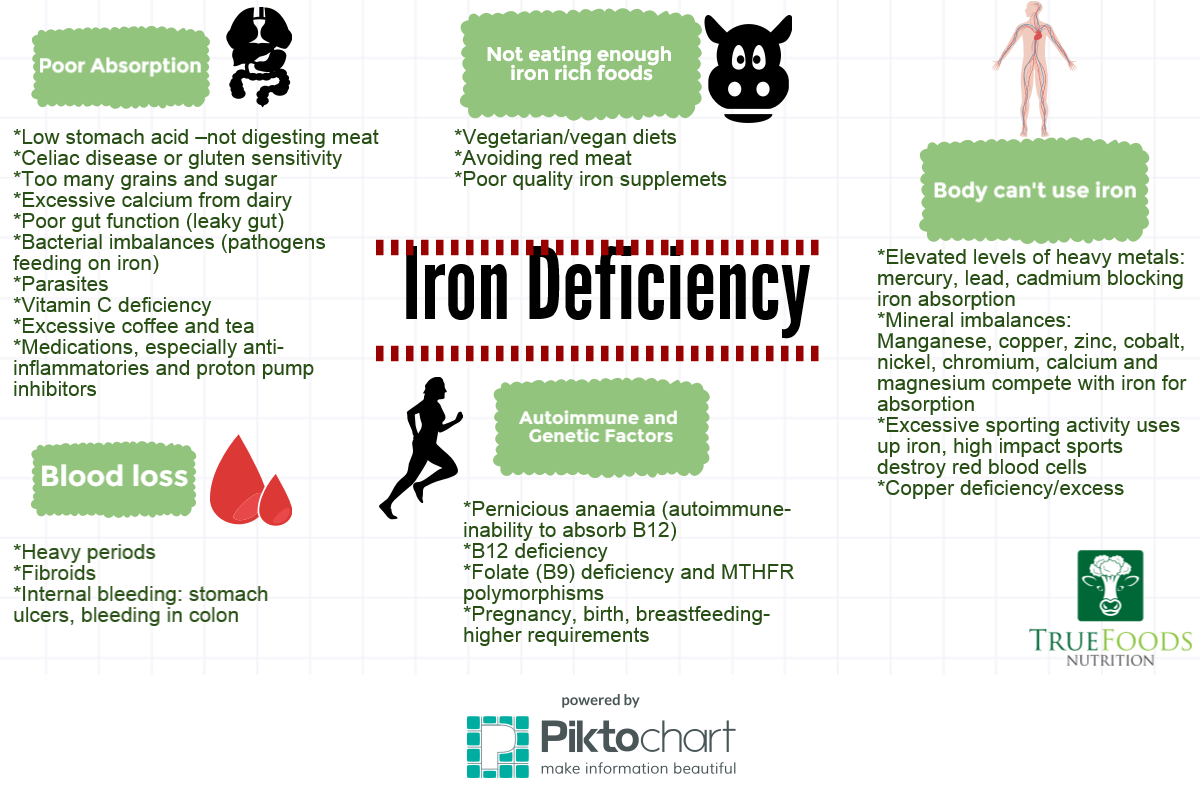
Normal iron but low haemoglobin? B12, folate, vitamin A, zinc, or copper deficiency — all common in India — can independently cause anaemia through mechanisms unrelated to iron stores.
Beyond Iron: What Causes Anaemia When Your Iron Levels Are Normal? The Nutrient-by-Nutrient Evidence for Indians (2026)
Anaemia is defined as a condition in which the number of red blood cells or the haemoglobin concentration within them is lower than normal — and in 2021, an estimated 1.92 billion people (24.3% of the global population) were living with it. Yet the reflex assumption that anaemia always means iron deficiency is clinically dangerous. A 2025 narrative review published in Clinical Nutrition ESPEN confirms that nutritional anaemia extends well beyond iron, involving vitamin B12, folate, zinc, copper, and vitamin A — each capable of producing low haemoglobin through entirely separate biological pathways. For Indians, where vegetarian diets, phytate-rich staples, and chronic subclinical infections converge, this distinction is not academic. It determines whether a patient improves or continues to deteriorate despite months of iron supplementation.
The Six Main Non-Iron Causes of Anaemia at a Glance
| Nutrient / Cause | Mechanism of Anaemia | Key Indian Risk Factor | Diagnostic Clue | Typical Blood Picture |
|---|---|---|---|---|
| Vitamin B12 | Impairs DNA synthesis → megaloblastic red cells | Strict vegetarian / vegan diet | Elevated MCV, neurological symptoms | Macrocytic, megaloblastic |
| Folate (B9) | Impairs DNA synthesis → megaloblastic red cells | Low green leafy vegetable intake, pregnancy | Elevated MCV, no neurological signs | Macrocytic, megaloblastic |
| Vitamin A | Impairs iron mobilisation from stores; reduces EPO | Low dietary fat, low animal food intake | Low retinol + low Hb despite normal ferritin | Normocytic or microcytic |
| Zinc | Reduces haem synthesis; impairs RBC membrane integrity | Phytate-rich cereal diet blocks absorption | Low serum zinc, poor wound healing | Normocytic or microcytic |
| Copper | Required for iron transport (ceruloplasmin); RBC maturation | Rare; excess zinc supplementation | Low serum copper + low ceruloplasmin | Normocytic, neutropenia |
| Chronic Inflammation / Infection | Hepcidin elevation sequesters iron; cytokines suppress EPO | TB, helminth infections, chronic disease | High ferritin, high CRP, low TIBC | Normocytic |
What Does "Normal Iron Levels" Actually Mean?
"Normal iron" is not a single number — it spans a spectrum of tests: serum ferritin (stores), serum iron, transferrin saturation (TSAT), and total iron-binding capacity (TIBC). Non-anaemic iron deficiency is defined as a state in which iron stores are depleted — typically indicated by a low ferritin and low transferrin saturation — while haemoglobin remains within the normal range. A patient can have a normal ferritin, normal serum iron, and normal TSAT yet still be anaemic, because the problem lies not in iron supply but in the machinery that uses iron or builds red blood cells independently of it.
Clinicians evaluating unexplained low haemoglobin should not stop at a single ferritin reading. Inflammation raises ferritin as an acute-phase reactant, masking true iron depletion. When ferritin is genuinely normal, the differential diagnosis shifts entirely to the non-iron causes described below.
How Does Vitamin B12 Deficiency Cause Anaemia?
Vitamin B12 deficiency is the most underdiagnosed cause of anaemia in India, and the numbers are striking. Studies cited in the 2025 Clinical Nutrition ESPEN review estimate that B12 deficiency affects roughly 47% of Indians, driven overwhelmingly by the country's high prevalence of lacto-vegetarian and vegan diets — patterns that exclude the primary dietary sources of B12: meat, fish, eggs, and dairy in meaningful quantities.
B12 is a water-soluble vitamin essential for DNA synthesis and neurological function. In red blood cell production specifically, it acts as a cofactor for methionine synthase, which regenerates tetrahydrofolate — the active form of folate needed for thymidine synthesis. Without adequate B12, red blood cell precursors in the bone marrow cannot replicate their DNA normally. The result is megaloblastic anaemia: large, immature, structurally abnormal red cells that are destroyed before they can mature, combined with a low red cell count.
The clinical picture is distinctive. MCV is elevated (macrocytosis), and the blood film shows hypersegmented neutrophils alongside macro-ovalocytes. B12 deficiency also causes peripheral neuropathy, subacute combined degeneration of the spinal cord, and cognitive changes — symptoms that iron deficiency does not produce. A patient presenting with fatigue, tingling in the hands and feet, and a low haemoglobin with high MCV should be tested for B12 before iron supplementation is started.
Dr Rahul Chawla, quoted in the Hindustan Times, specifically identifies B12 deficiency as one of the five most overlooked non-iron causes of anaemia, noting that vegetarians are at particular risk. Treatment with intramuscular or high-dose oral B12 typically corrects haemoglobin within eight to twelve weeks, though neurological recovery may take longer.
What Role Does Folate Play, and How Is It Different From B12?
Folate (vitamin B9) deficiency produces an anaemia that is clinically indistinguishable from B12 deficiency on the blood film — both cause macrocytic, megaloblastic anaemia with hypersegmented neutrophils. The distinction matters enormously, however, because treating B12 deficiency with folate alone can correct the blood picture while allowing neurological damage to progress silently.
WHO identifies folate deficiency as one of the important nutritional causes of anaemia alongside iron and B12 deficiency. Folate is found primarily in green leafy vegetables, legumes, and fortified grains. In India, overcooking vegetables (which destroys folate), low dietary diversity, and high physiological demand during pregnancy create a perfect storm for deficiency. Pregnant women face the greatest risk: the rapidly dividing cells of the developing foetus place extraordinary demands on maternal folate stores, and deficiency during the first trimester also causes neural tube defects.
Separating folate from B12 deficiency requires measuring both serum B12 and red cell folate. Serum homocysteine is elevated in both; methylmalonic acid (MMA) is elevated only in B12 deficiency, making it the more specific marker. Treatment with folic acid supplementation (400 mcg daily for prevention, 5 mg daily for treatment) is straightforward and inexpensive — India's national supplementation programmes for pregnant women include both iron and folic acid for this reason.
Can Vitamin A Deficiency Really Lower Haemoglobin?
Yes — and the mechanism is less intuitive than B12 or folate, which is why it is frequently missed. Vitamin A deficiency contributes to anaemia by impairing the mobilisation of iron from storage sites and by reducing the production of erythropoietin (EPO), the hormone that signals the bone marrow to produce red blood cells. Vitamin A also appears to support the proliferation and differentiation of erythroid progenitor cells directly.
The result is an anaemia that looks similar to iron-deficiency anaemia on the blood film — microcytic or normocytic, with a low haemoglobin — but does not respond to iron supplementation alone. Studies in populations with concurrent iron and vitamin A deficiency have shown that combining both supplements produces greater haemoglobin improvements than iron alone.
Vitamin A deficiency remains a public health concern in India, particularly among children under five and women in low-income rural settings. NFHS data consistently show that a substantial proportion of Indian children have subclinical vitamin A deficiency. Because vitamin A is a fat-soluble vitamin found primarily in animal foods (liver, eggs, dairy) and converted from beta-carotene in orange and yellow vegetables, populations with low fat intake and low dietary diversity are most vulnerable. The conversion of beta-carotene to active vitamin A is inefficient and highly variable between individuals, meaning that a diet rich in carrots and sweet potatoes does not guarantee adequate vitamin A status.
How Do Zinc and Copper Deficiency Produce Anaemia?
Zinc and copper are trace minerals — essential cofactors in haemoglobin synthesis and red blood cell maintenance — yet they are rarely included in a standard anaemia workup.
Zinc plays multiple roles in erythropoiesis. It is required for the activity of delta-aminolevulinic acid dehydratase, an enzyme in the haem biosynthesis pathway, and it maintains the structural integrity of red blood cell membranes; deficient cells are more fragile and have a shorter lifespan. The 2025 Clinical Nutrition ESPEN review highlights zinc as a key micronutrient whose deficiency contributes to nutritional anaemia beyond iron. In India, zinc deficiency is widespread because the primary dietary source — red meat — is avoided by many, and the zinc in plant foods is bound to phytates in cereals and legumes, dramatically reducing bioavailability. Soaking, sprouting, and fermenting grains and legumes can reduce phytate content and improve zinc absorption, but these practices are inconsistently applied.
Copper deficiency is rarer but clinically important. Copper is required for the function of ceruloplasmin, a ferroxidase enzyme that oxidises ferrous iron to ferric iron, enabling it to bind to transferrin for transport to the bone marrow. Without adequate copper, iron cannot be mobilised from stores effectively — producing an anaemia that superficially resembles iron deficiency but does not respond to iron treatment. Copper deficiency also impairs the maturation of red blood cell and white blood cell precursors, so the blood picture often shows both anaemia and neutropenia. Paradoxically, one of the most common causes of copper deficiency in clinical practice is excess zinc supplementation: high zinc intake competitively inhibits copper absorption in the gut. This is an important caution for Indians self-supplementing with zinc for immune support or skin health.
What About Anaemia With Normal Iron and Normal Nutrients? The Inflammation Angle
When iron and all the key vitamins and minerals test normal, the next consideration is anaemia of chronic disease (ACD), also called anaemia of inflammation — anaemia arising from the body's immune response to infection, chronic illness, or systemic inflammation, rather than from any nutrient deficiency.
The mechanism centres on hepcidin, a liver-derived peptide hormone that is the master regulator of iron homeostasis. During infection or inflammation, pro-inflammatory cytokines — particularly interleukin-6 — drive hepcidin production sharply upward. Elevated hepcidin blocks the release of iron from macrophages and enterocytes, effectively locking iron inside storage cells and away from the bone marrow. The result is functional iron deficiency: iron stores are full (ferritin may even be elevated), but the bone marrow cannot access enough iron to produce normal numbers of red blood cells.
WHO explicitly lists infections such as malaria, parasitic infections, tuberculosis, and HIV as causes of anaemia, and India's burden of these conditions is substantial. Helminth infections, which affect tens of millions of Indians, cause anaemia through a combination of blood loss and inflammation. Chronic kidney disease, rheumatoid arthritis, and inflammatory bowel disease are other common drivers of ACD. The diagnostic clue is a normal or elevated ferritin combined with a low TSAT and a low or normal MCV — a pattern that iron supplementation will not correct and may even worsen.
The Clinical Nutrition ESPEN review also highlights anti-absorptive dietary inhibitors — phytates, polyphenols, and oxalates — as factors that exacerbate nutritional anaemia. These compounds, abundant in the Indian diet (tea, coffee, whole grains, spinach), bind to minerals in the gut and prevent their absorption. A person eating an apparently adequate diet may still develop multiple micronutrient deficiencies if their meals are consistently high in these inhibitors.
Why Is This Especially Relevant for Indians?
India carries a disproportionate share of the global anaemia burden. WHO estimates that 40% of children aged 6–59 months, 37% of pregnant women, and 30% of women aged 15–49 worldwide are anaemic — and India's national surveys consistently show rates above these global averages. The NFHS-5 (2019–21) found that 57% of children under five and 67% of children aged 6–59 months in India were anaemic.
Several features of the Indian dietary and epidemiological context amplify the non-iron causes.
Vegetarian and vegan diets are practised by an estimated 20–39% of the Indian population, depending on the survey and region. These diets are structurally low in B12 (found almost exclusively in animal products), have lower bioavailable zinc and iron due to phytate content, and may be lower in vitamin A from animal sources.
Phytate-rich staples — wheat, rice, maize, lentils — form the caloric backbone of most Indian meals. Phytates bind zinc, iron, and calcium in the gut, reducing their absorption by 50–80% compared to the same minerals consumed without phytates. A diet that appears nutritionally adequate on paper may therefore deliver far less of these minerals to the bloodstream than expected.
Chronic infections remain prevalent. Helminth infections, malaria in endemic regions, and high rates of H. pylori infection — which impairs B12 absorption by damaging gastric parietal cells — all contribute to anaemia through non-iron mechanisms.
Cooking practices that destroy folate, specifically prolonged boiling of vegetables and discarding cooking water, reduce the effective folate content of otherwise folate-rich diets.
Low dietary fat intake in some populations reduces the absorption of fat-soluble vitamin A, even when beta-carotene intake from vegetables is adequate.
How Should a Doctor Investigate Anaemia When Iron Is Normal?
A systematic approach is essential. Non-anaemic iron deficiency is evaluated by looking at ferritin, transferrin saturation, and inflammatory markers together rather than relying on a single number, and the same principle applies when investigating anaemia with apparently normal iron.
A practical workup sequence:
- Complete blood count with indices: MCV distinguishes macrocytic (B12/folate) from normocytic (copper, inflammation, early B12) from microcytic (iron, zinc, vitamin A) anaemia.
- Reticulocyte count: Low in nutritional deficiencies; high in haemolytic anaemia.
- Serum B12 and red cell folate: First-line tests when MCV is elevated.
- Methylmalonic acid and homocysteine: Confirm B12 deficiency even when serum B12 is borderline.
- Serum ferritin, serum iron, TSAT, TIBC: Full iron panel, not just ferritin.
- CRP and ESR: Elevated values suggest inflammation is driving ferritin up and masking true iron status.
- Serum zinc and copper: Ordered when standard causes are excluded, especially in patients on high-dose zinc supplements or with malabsorption.
- Serum retinol (vitamin A): Considered in children and women with low dietary diversity.
- Peripheral blood film review: Hypersegmented neutrophils point to B12/folate; target cells suggest haemoglobinopathy; fragmented cells suggest haemolysis.
- Haemoglobin electrophoresis: Rules out thalassaemia and sickle cell disease, which are common in India and produce anaemia independent of nutrition.
What Can Indians Do Practically to Address Non-Iron Anaemia?
Dietary modification is the first line of defence, but it must be targeted to the specific deficiency.
For B12 deficiency, vegetarians and vegans need reliable B12 sources. Dairy and eggs contain B12, but the amounts in typical Indian vegetarian diets are often insufficient to maintain optimal serum levels. Fortified foods (B12-fortified plant milks, breakfast cereals) and B12 supplements are the most reliable solution. Cyanocobalamin is the most stable and widely available form; methylcobalamin is also used, though evidence for superiority is mixed. Sublingual and oral high-dose B12 (1000 mcg daily) is as effective as intramuscular injection for most patients without severe malabsorption.
For folate, increasing green leafy vegetables (spinach, fenugreek, coriander) and legumes while minimising overcooking preserves dietary folate. Folic acid supplementation is recommended for all women planning pregnancy and during the first trimester.
For vitamin A, including small amounts of animal foods (eggs, dairy, liver) or orange-yellow vegetables with a fat source (ghee, oil) at each meal improves both intake and absorption. Children in deficient areas benefit from periodic high-dose vitamin A supplementation under national programmes.
For zinc, strategies to reduce phytate inhibition are practical and culturally feasible: soaking lentils and legumes overnight, sprouting grains, and using fermented foods (idli, dosa, dhokla) all reduce phytate content. Including small amounts of animal protein at meals also enhances zinc absorption.
For copper, the most important practical step is avoiding excessive zinc supplementation. Anyone taking more than 25–40 mg of supplemental zinc daily for extended periods should be aware of the risk of copper depletion.
For anaemia of inflammation, the underlying condition must be treated. Deworming, malaria treatment, and management of chronic disease are the interventions that will correct haemoglobin — iron or vitamin supplements given in isolation will not.
When Should You See a Doctor Rather Than Self-Supplement?
Iron deficiency without anaemia can progress to anaemia if left unaddressed, and persistent low iron stores may signal an underlying problem such as ongoing blood loss or malabsorption that deserves evaluation even when anaemia is not yet present. The same logic applies to all the non-iron causes. Self-supplementing with iron when the real problem is B12 deficiency, for instance, does nothing to halt the neurological damage that B12 deficiency causes.
Seek medical evaluation if:
- Haemoglobin is below 11 g/dL in women or 12 g/dL in men
- Fatigue, breathlessness, or palpitations are present
- Neurological symptoms (tingling, numbness, memory problems) accompany low haemoglobin
- Iron supplementation has been taken for three months without improvement
- Anaemia is recurrent despite dietary changes
- There is unexplained weight loss, blood in stool, or other alarm symptoms
A full blood count and iron panel cost relatively little at most Indian diagnostic laboratories, and adding B12, folate, and CRP to the panel provides a far more complete picture for a modest additional cost.
The Bigger Picture: Multi-Nutrient Deficiency Is the Rule, Not the Exception
The 2025 Clinical Nutrition ESPEN narrative review emphasises that the complex relationship of multiple micronutrient deficiencies, dietary inhibitors, and socio-environmental factors drives the high prevalence of anaemia — and that addressing it requires integrated, multi-pronged strategies rather than single-nutrient interventions. This is particularly true in India, where the same dietary pattern that restricts iron bioavailability also restricts zinc, B12, and vitamin A.
Emerging public health tools — biofortification of staple crops with zinc and iron, fortification of wheat flour and rice with B12 and folate, and hepcidin-modulating therapies for anaemia of inflammation — hold promise. At the individual level, though, the most actionable step is accurate diagnosis. Knowing which nutrient is actually deficient transforms a frustrating cycle of ineffective iron supplementation into a targeted, correctable problem.
For anyone in India who has been told their iron is "fine" but their haemoglobin remains low, the evidence is clear: the investigation should not stop at iron. B12, folate, vitamin A, zinc, copper, and the presence of chronic inflammation all deserve a place in the diagnostic conversation — and the clinical evidence increasingly supports making that conversation routine.
For related reading on micronutrient health in India, see our evidence-based guides on berberine for insulin resistance and magnesium glycinate for sleep.
Sources
- Low haemoglobin is not always about iron deficiency: Dr Rahul Chawla shares five other causes of anaemia | Hindustan Times
- Demystifying intricate factors of nutritional anemia beyond iron deficiency – A narrative review | Clinical Nutrition ESPEN (ScienceDirect)
- Anaemia – World Health Organization (WHO)
- Non-anaemic iron deficiency | Australian Prescriber via PMC (NCBI)
- Understanding Iron Deficiency Without Anemia | The Blood Project