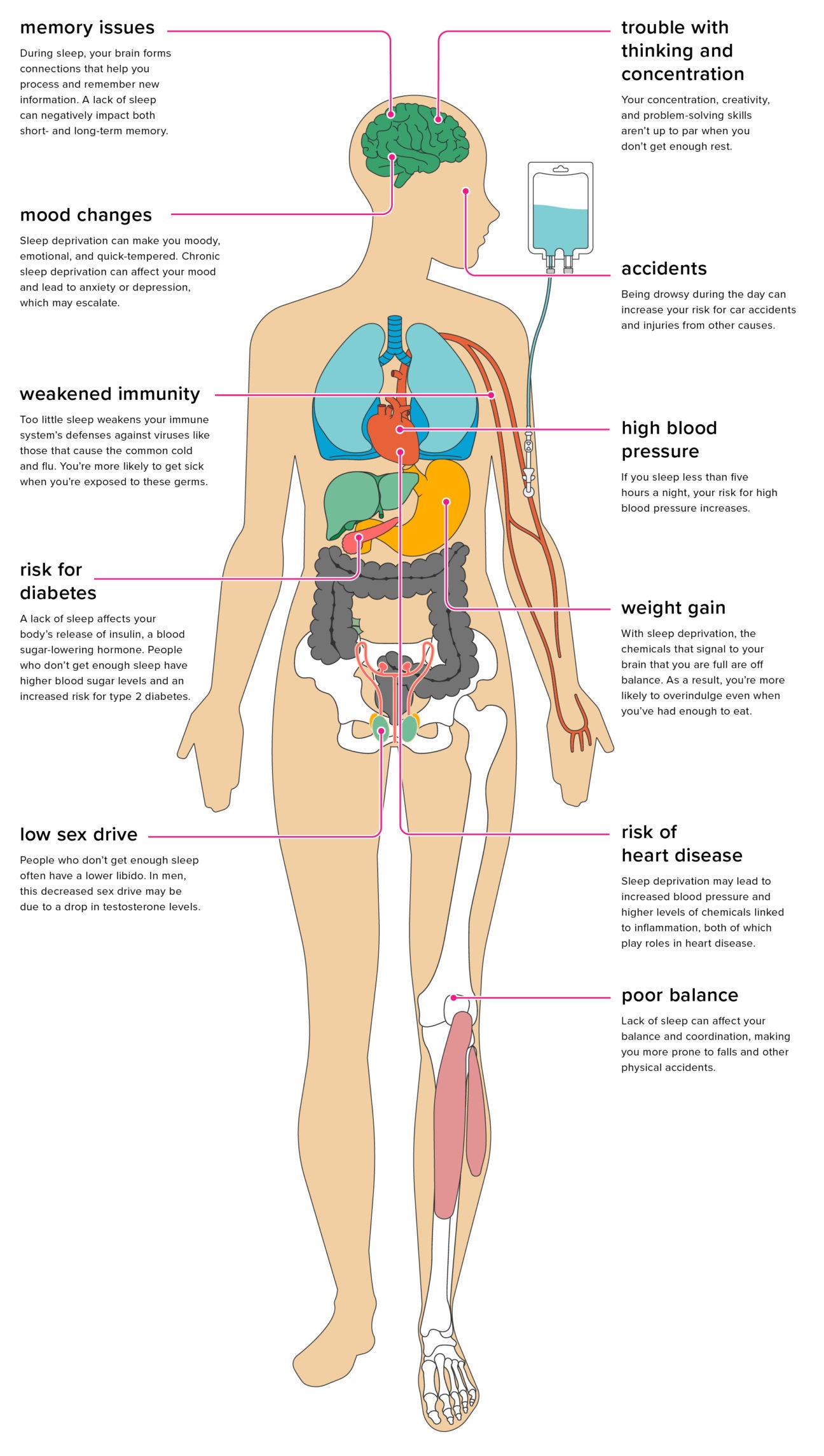
Even two nights of poor sleep can temporarily reduce insulin sensitivity by up to 30%, and habitual short sleepers face a significantly elevated risk of type 2 diabetes, according to multiple large-scale studies.
How Sleep Deprivation Damages Blood Sugar Control: What the Metabolic Evidence Shows in 2026
Sleep deprivation — consistently obtaining less than the seven hours of nightly sleep recommended for adults — triggers metabolic consequences faster than most people expect. Controlled laboratory studies show measurable reductions in insulin sensitivity after just one to three nights of restricted sleep. What starts as a groggy morning can, over weeks and months, quietly reshape how your pancreas, liver, and fat cells handle glucose.
The 2026 evidence base is now substantial enough to treat sleep as a metabolic variable on par with diet and physical activity. A 2022 systematic review published in Cureus analysed multiple studies on sleep deprivation and insulin resistance and found a consistent association between insufficient sleep and impaired insulin sensitivity. Large-scale population research reinforces the clinical picture: individuals who average under six to seven hours of sleep per night carry approximately a 30% higher risk of developing type 2 diabetes compared with those who meet the recommended threshold.
The table below summarises the key metabolic effects documented across the research, their onset speed, and whether they are reversible with recovery sleep.
| Metabolic Effect | Onset After Sleep Loss | Reversible With Recovery Sleep? | Key Mechanism |
|---|---|---|---|
| Reduced insulin sensitivity | 1–3 nights | Yes, in healthy individuals | Elevated cortisol; sympathetic nervous system activation |
| Elevated fasting blood glucose | 1–3 nights | Largely yes, short-term | Impaired hepatic glucose regulation; circadian disruption |
| Ghrelin rise / Leptin fall | 1–2 nights | Yes, with extended sleep | Hypothalamic hormone dysregulation |
| Increased caloric intake (+150–270 kcal/day) | 1–2 nights | Yes, sleep extension reverses it | Appetite hormone imbalance; reward-driven food seeking |
| Accelerated fat storage | Several nights | Partially, over time | Altered post-meal lipid clearance into adipose tissue |
| Chronic low-grade inflammation | Weeks to months of poor sleep | Partially | Elevated cytokines (IL-6, TNF-α); cortisol dysregulation |
| Elevated type 2 diabetes risk (+30%) | Months to years of short sleep | Risk reduces with improved habits | Cumulative insulin resistance; metabolic syndrome progression |
What exactly happens to blood sugar when you sleep too little?
The body's glucose regulation system involves a tightly coordinated network: insulin secreted by pancreatic beta cells, glucose uptake by muscle and fat tissue, and hepatic glucose output — all sensitive to hormonal signals that shift dramatically during sleep loss.
When sleep is cut short, cortisol — the body's primary stress hormone — rises significantly. This hormone directly raises blood glucose by stimulating the liver to release stored glycogen and by reducing peripheral cell sensitivity to insulin's signal. Simultaneously, sleep deprivation activates the sympathetic nervous system — the fight-or-flight pathway triggered by acute stress — which further blunts insulin's effectiveness at the cellular level.
Blood glucose stays elevated longer after meals, and the pancreas compensates by secreting more insulin to achieve the same effect. In healthy individuals, this compensation works and blood sugar eventually normalises, but the pancreatic beta cells are working harder. Repeat this pattern night after night, and the system begins to strain.
A NIH-supported study found that people with sleep disturbances had higher fasting blood sugar, and their insulin was less effective at lowering blood sugar after sleep deprivation. This is not a subtle laboratory artefact but a clinically meaningful shift that, over time, can push a metabolically healthy person toward prediabetes.
The circadian rhythm adds another layer. The body's internal clock governs the timing of insulin secretion, glucose tolerance, and hepatic glucose output across the 24-hour cycle. Disrupting sleep — whether through short duration, irregular timing, or fragmentation — desynchronises these rhythms, resulting in higher nighttime blood sugar and longer recovery times. Shift workers, who experience chronic circadian misalignment, show some of the highest rates of metabolic syndrome in occupational health research.
Can just two nights of poor sleep make you insulin resistant?
Temporarily, yes — but the clinical significance depends on your baseline health and whether the pattern continues.
Dr (Major) Rajesh Bhardwaj, Consultant at Med First ENT Center, explains that controlled laboratory studies have found sleeping too little for just one to three nights makes the body's cells less responsive to insulin, forcing the pancreas to produce more insulin to keep blood sugar levels within the normal range. He notes, however, that "a healthy person will not suddenly develop diabetes" from two bad nights.
The distinction between acute and chronic effects matters enormously. Acute insulin resistance — induced by one to three nights of poor sleep — is a physiological adaptation, not a pathological diagnosis. The body responds to perceived stress by prioritising glucose availability for the brain and muscles. In a healthy person with good metabolic reserves, recovery sleep largely restores normal insulin sensitivity.
The danger lies in repetition. Repeated bouts of sleep deprivation can trigger recurring insulin resistance, hormonal imbalance, increased appetite, and gradual weight gain. Over months and years, these cumulative insults can tip the metabolic balance toward prediabetes, particularly in people who are overweight, physically inactive, or carry a family history of diabetes.
The 2022 Cureus review reinforces this trajectory: insufficient sleep may trigger inflammatory responses, hormonal changes, and disruptions to the body's circadian rhythm, all of which can interfere with how insulin works. Chronic low-grade inflammation is particularly important — it impairs insulin receptor signalling at the molecular level, creating a feedback loop where poor sleep worsens inflammation and inflammation worsens insulin resistance.
How does sleep loss disrupt appetite hormones and caloric intake?
Beyond direct glucose metabolism, sleep deprivation disrupts the hormonal systems that govern hunger and satiety — a secondary pathway that may be equally important for long-term metabolic health.
Ghrelin and leptin are the two key hormones. Sleep deprivation drives ghrelin levels up and leptin levels down — making you hungrier and less satisfied after eating. Ghrelin, produced primarily in the stomach, signals the brain to seek food. Leptin, produced by fat cells, signals fullness and suppresses appetite. When sleep is cut short, this balance tilts sharply toward hunger.
The caloric consequences are measurable. A Harvard report found that people who extended their sleep started consuming about 270 fewer calories per day because their hormones rebalanced and hunger cues diminished. A 2022 review in Nature estimated that insufficient sleep leads to an average of +150 extra calories per day from increased eating minus any small uptick in energy expenditure — enough to drive significant weight gain over months.
Cortisol amplifies this effect. Elevated cortisol promotes fat storage — particularly visceral abdominal fat — while diminishing leptin's satiety effect and increasing ghrelin, creating a double signal toward overeating. The foods craved under sleep deprivation tend to be high in sugar and refined carbohydrates, precisely the foods that spike blood glucose most aggressively. This is not coincidence; the sleep-deprived brain's reward circuitry shows heightened activation in response to high-calorie food cues, a pattern documented in neuroimaging studies.
For anyone managing blood sugar — whether through lifestyle, medication, or supplements like berberine for insulin resistance — ignoring sleep quality while optimising diet and exercise is like patching two walls of a leaking roof. Hormonal disruption from poor sleep can undermine even a well-designed nutritional protocol.
What does poor sleep do to fat metabolism?
The metabolic damage from sleep loss extends beyond glucose and appetite hormones into how the body handles dietary fat — with counterintuitive findings.
Research from the Journal of Lipid Research found that even a few nights of sleep restriction can alter fat metabolism in healthy young men. When sleep was reduced from eight hours to approximately five hours, subjects felt less full after eating a rich meal and showed a different post-meal lipid response. When sleep-deprived, they cleared fat from the blood more quickly — but this actually meant the fat was being taken up into storage faster. As one researcher summarised: "the lipids weren't evaporating — they were being stored."
This mechanism helps explain why chronic sleep deprivation is a recognised risk factor for obesity even when total caloric intake is only modestly elevated. The body under sleep restriction is biochemically primed to partition incoming energy toward fat storage rather than oxidation. Combined with increased caloric intake driven by ghrelin and leptin dysregulation, and reduced physical activity that often accompanies fatigue, the trajectory toward weight gain and worsening insulin resistance becomes self-reinforcing.
Visceral fat — the metabolically active fat stored around the abdominal organs — is particularly problematic. Visceral adipose tissue releases inflammatory cytokines and free fatty acids that directly impair insulin signalling in the liver and muscle, creating another feedback loop between poor sleep, fat accumulation, and metabolic dysfunction.
Who is most vulnerable to sleep-related blood sugar damage?
Not everyone who has a few bad nights will develop metabolic problems. The evidence consistently identifies several groups at elevated risk.
People who are overweight or obese carry more visceral fat and often have some degree of pre-existing insulin resistance, meaning their metabolic buffer against sleep-induced glucose dysregulation is already reduced. A single night of poor sleep may push them into a clinically significant range that would not affect a lean, metabolically healthy individual.
Those with a family history of type 2 diabetes have genetic variants that reduce pancreatic beta-cell reserve or impair insulin receptor function. For these individuals, the additional metabolic stress of sleep deprivation may accelerate progression from normal glucose tolerance to prediabetes.
Physically inactive individuals lose the protective effect of exercise-induced insulin sensitisation. Regular aerobic and resistance exercise increases the density of GLUT4 glucose transporters in muscle cells, partially offsetting the insulin resistance induced by poor sleep. Without this buffer, sleep-deprived sedentary individuals face compounded risk.
Shift workers and those with irregular sleep schedules face chronic circadian misalignment on top of sleep restriction. The metabolic consequences of circadian disruption are distinct from — and additive to — those of simple sleep loss, making this population particularly vulnerable to metabolic syndrome and type 2 diabetes.
Older adults experience changes in sleep architecture — less slow-wave sleep, more fragmentation — that may amplify the metabolic impact of any given night of poor sleep. Slow-wave sleep is the stage most strongly associated with growth hormone release and glucose regulation; its reduction with age contributes to the age-related decline in insulin sensitivity.
Is catching up on sleep enough to repair the metabolic damage?
The answer depends on whether sleep deprivation is acute or chronic, and on the individual's baseline metabolic health.
For acute sleep loss — a few nights of insufficient sleep followed by adequate recovery — many of the short-term metabolic changes can be reversed with adequate recovery sleep. Insulin sensitivity improves, cortisol normalises, and ghrelin and leptin rebalance. Studies show that when chronically sleep-deprived people start sleeping longer, they tend to eat fewer calories and make healthier food choices almost immediately. In one experiment, extending sleep by about one hour per night led to spontaneous calorie reductions and modest weight loss in just two weeks.
For chronic sleep deprivation, the picture is more complicated. Years of insufficient sleep can produce structural changes — increased visceral fat, elevated baseline inflammation, reduced beta-cell function — that do not fully reverse simply by sleeping more. The risk reduction from improving sleep habits is real and clinically meaningful, but it operates over months, not days, and may not fully restore the metabolic status of someone who has been sleep-deprived for years.
Sleep debt should not be treated as something that can be "banked" and repaid on weekends. Weekend recovery sleep partially compensates for weekday deficits, but research suggests it does not fully normalise metabolic markers, particularly in people who have been chronically short-sleeping. Consistency — maintaining seven to nine hours on most nights — appears to be more protective than averaging the right number across a variable week.
What biological mechanisms link sleep to insulin signalling at the cellular level?
The metabolic effects of sleep disruption operate through several interconnected pathways that researchers have been mapping in increasing detail.
At the hormonal level, the cortisol-insulin axis is central. Cortisol activates gluconeogenesis in the liver — the production of new glucose from amino acids and glycerol — while simultaneously reducing the expression of insulin receptors on muscle and fat cells. The net effect is higher circulating glucose and lower cellular responsiveness to the insulin trying to clear it.
The sympathetic nervous system activation that accompanies sleep loss adds a second layer. Catecholamines — adrenaline and noradrenaline — released during sympathetic activation suppress insulin secretion from the pancreas and promote glycogen breakdown in the liver, further elevating blood glucose.
At the inflammatory level, sleep deprivation elevates circulating levels of pro-inflammatory cytokines including interleukin-6 (IL-6) and tumour necrosis factor-alpha (TNF-α). These cytokines interfere with insulin receptor substrate-1 (IRS-1) phosphorylation — a critical early step in the insulin signalling cascade — effectively jamming the molecular machinery that allows cells to respond to insulin.
The circadian clock adds a fourth dimension. Clock genes expressed in the pancreas, liver, and adipose tissue regulate the timing of insulin secretion, hepatic glucose output, and fat oxidation across the 24-hour cycle. When sleep disrupts the synchronisation of these peripheral clocks with the central circadian pacemaker in the brain's suprachiasmatic nucleus, glucose regulation becomes temporally disorganised — the right hormones are secreted at the wrong times, and the body's metabolic responses are mismatched to actual nutritional demand.
Understanding these mechanisms matters because it clarifies why sleep cannot be replaced by other interventions. No supplement, diet, or exercise protocol fully compensates for the hormonal and circadian disruption caused by chronic sleep loss — though some may partially mitigate specific pathways. For example, magnesium glycinate has been studied for its role in both sleep quality and insulin sensitivity, and carb blocker supplements may blunt post-meal glucose spikes — but neither addresses the upstream hormonal dysregulation that sleep loss produces.
What does the 2026 evidence say about long-term diabetes risk?
The epidemiological signal linking chronic short sleep to type 2 diabetes is now solid enough to be considered causal by most metabolic researchers, not merely associative.
Large-scale research shows that individuals who average under six to seven hours of sleep per night have about a 30% higher risk of type 2 diabetes. This figure holds across multiple populations and study designs, including prospective cohort studies that control for diet, physical activity, obesity, and socioeconomic status.
The mechanism is cumulative. Each night of insufficient sleep produces a small increment of metabolic stress — slightly higher fasting glucose, slightly more visceral fat, slightly more inflammation. Over years, these increments compound. The pancreatic beta cells, repeatedly called upon to secrete extra insulin to compensate for reduced sensitivity, gradually lose functional reserve. When beta-cell capacity can no longer keep pace with insulin resistance, fasting glucose rises into the prediabetic range (100–125 mg/dL), and eventually into the diabetic range (≥126 mg/dL).
The risk is not uniformly distributed. Individuals who are overweight, sedentary, or genetically predisposed face substantially higher absolute risk from the same sleep deficit. For a lean, active, metabolically healthy person, the 30% relative risk increase may translate to a small absolute risk increment. For someone already at the metabolic margin, the same sleep deficit may be the factor that tips them into a clinical diagnosis.
The 2022 Cureus systematic review reinforces the importance of adequate sleep as a pillar of metabolic health alongside diet and exercise — a framing increasingly reflected in clinical guidelines, which now routinely ask about sleep duration and quality as part of diabetes risk assessment.
What practical steps can reduce sleep-related metabolic risk?
The evidence points toward several actionable strategies, though sleep quality is not always within individual control — shift work, caregiving responsibilities, anxiety disorders, and sleep apnoea all impose constraints that lifestyle advice alone cannot resolve.
For those with modifiable sleep habits, consistency in sleep and wake timing is the most impactful single change. Maintaining a fixed wake time — even on weekends — anchors the circadian clock and reduces the metabolic cost of social jet lag, the misalignment between biological and social time that affects a large proportion of the working population.
Sleep duration targets of seven to nine hours for adults are well-supported by the metabolic evidence. Going below six hours consistently appears to be the threshold at which diabetes risk rises meaningfully. Going above nine hours is associated with its own health risks, though the causal direction is debated — long sleep may reflect underlying illness rather than causing harm.
Sleep environment optimisation — a cool, dark, quiet room — supports the slow-wave and REM sleep stages that are most metabolically restorative. Alcohol, widely used as a sleep aid, suppresses REM sleep and fragments the second half of the night, worsening the metabolic profile despite improving sleep onset.
For those managing blood sugar actively, tracking sleep alongside glucose data can reveal patterns that dietary tracking alone misses. A continuous glucose monitor worn during a period of poor sleep will often show elevated fasting glucose and blunted post-meal glucose clearance — a real-time demonstration of the mechanisms described above.
Medical evaluation is warranted for anyone with persistent sleep difficulties. Obstructive sleep apnoea — repeated partial or complete upper airway obstruction during sleep — is both a cause and a consequence of metabolic dysfunction, and treating it with CPAP therapy has been shown to improve insulin sensitivity independently of weight loss.
The bottom line on sleep and blood sugar in 2026
The metabolic evidence in 2026 is clear: sleep is not a passive recovery state but an active metabolic process whose disruption carries measurable, dose-dependent consequences for blood sugar control. Even two nights of insufficient sleep can temporarily reduce insulin sensitivity and elevate fasting glucose. Chronic short sleep — habitually averaging fewer than six to seven hours — raises the risk of type 2 diabetes by approximately 30% and contributes to a cluster of metabolic abnormalities that include visceral fat accumulation, appetite hormone dysregulation, and systemic inflammation.
The short-term effects are largely reversible with recovery sleep, and improving sleep habits over months can meaningfully reduce metabolic risk even in people who have been chronically sleep-deprived. Years of metabolic strain from poor sleep, however, leave marks that do not fully erase overnight.
Treating sleep as a metabolic lever — as seriously as diet quality or physical activity — is no longer a fringe position. It is the direction the evidence has been pointing for over a decade, and the 2026 data only sharpens that conclusion.
Sources
- Can just two nights of poor sleep make you insulin resistant? — Indian Express
- The Metabolic Damage of Bad Sleep — PNOĒ
- Metabolic effects of sleep disruption, links to obesity and diabetes — PMC / NIH
- Berberine for Insulin Resistance and Blood Sugar in India: An Evidence-Based Protocol (2026) — Nano Health Insights
- Best Magnesium Glycinate Capsules in India (2026) — Nano Health Insights
- Best Carb Blocker Supplements in India for Fat Loss and Post-Meal Glucose Control (2026) — Nano Health Insights