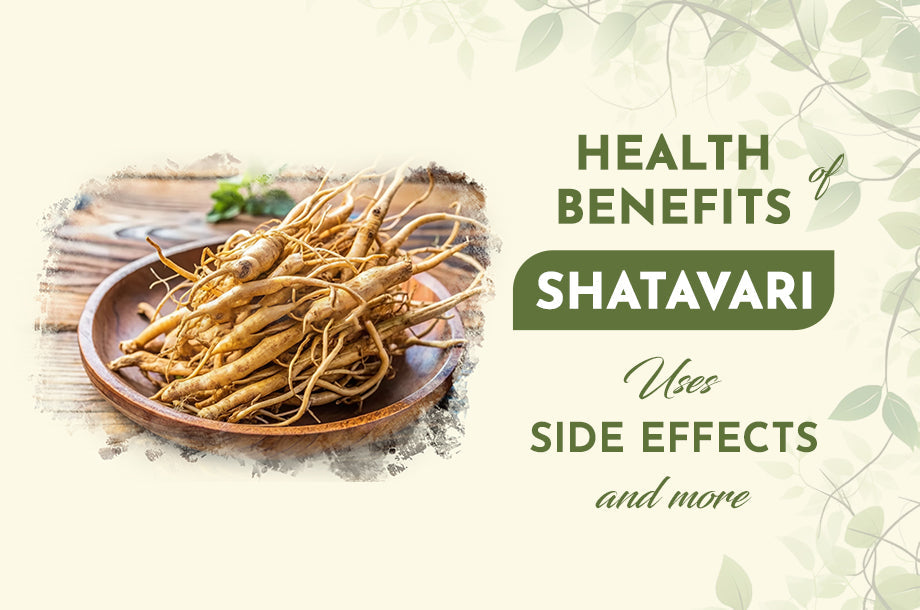
A 12-week RCT of 145 perimenopausal women found 500 mg daily shatavari extract significantly reduced hot flashes, irritability, insomnia, and fatigue versus placebo, with benefits appearing within two to four weeks.
Does Shatavari Actually Relieve Perimenopause Symptoms? What the New Clinical Trial Shows
A 12-week randomized, double-blind, placebo-controlled trial published in the Journal of Dietary Supplements confirms that a standardized shatavari (Asparagus racemosus) root extract reduces the frequency and intensity of perimenopausal symptoms — including hot flashes, irritability, insomnia, fatigue, and impaired sexual function — with statistically significant differences emerging within two to four weeks of daily supplementation at 500 mg.
Shatavari is a full-spectrum root-derived extract of Asparagus racemosus, an Ayurvedic botanical classified as a Rasayana — a rejuvenating tonic traditionally associated with women's reproductive health, vitality, and nourishment. The herb's key bioactive compounds are steroidal saponins called shatavarins, believed to exert mild phytoestrogenic effects by interacting with estrogen receptors. This mechanism is central to understanding why the herb appears to ease the hormonal turbulence of perimenopause.
The new trial is not an isolated finding. Multiple branded extracts have now generated clinical data, and the convergence of results across different study populations, doses, and standardization levels is what makes this moment significant for women exploring natural options.
How Do the Major Shatavari Clinical Trials Compare?
| Trial / Extract | Study Design | Participants | Duration | Dose | Key Outcomes |
|---|---|---|---|---|---|
| aspurūs (Waleria Healthtech) — Journal of Dietary Supplements, 2026 | RCT, double-blind, placebo-controlled | 145 perimenopausal women, ages 38–54 | 12 weeks | 500 mg/day (5% shatavarins) | Reduced symptom frequency (sig. at 2 wks), symptom intensity (sig. at 4 wks); improved sleep, irritability, fatigue, sexual function; increased estradiol & progesterone; no adverse events |
| SRI-81 (Ixoreal Biomed) — Int. J. Women's Health, 2025 | RCT, double-blind, placebo-controlled | 80 perimenopausal women, ages 40–55 (73 completers) | 8 weeks | 300 mg/day (standardized to Shatavarin IV) | Total MRS scores fell 42.6% vs. 5.5% placebo; hot-flash scores down 26% vs. 7%; perceived stress down ~30%; no adverse events |
| Xeya Modern Shatavari (NXT USA) , Functional Foods in Health and Disease | RCT, double-blind, placebo-controlled | 75 early perimenopausal women, ages 40–50 | 120 days | 50 mg or 100 mg/day (15% shatavarins) | MRS improved 51.4% (50 mg) and 72.9% (100 mg) vs. 22.8% placebo; hot-flash weekly scores down 27.6–39.8%; ovarian follicle count up 34.4–51.9%; hormone modulation (FSH, LH, AMH, E2) |
Each of these trials was conducted in India, used validated symptom questionnaires, and reported no clinically significant adverse events. The consistency across different doses (50–500 mg), standardization levels (5–15% shatavarins), and study durations (8–17 weeks) strengthens the overall evidence base considerably.
What Is Perimenopause and Why Does It Need Its Own Solutions?
Perimenopause is the transitional phase preceding menopause, typically beginning in a woman's mid-to-late 40s — though it can start in the late 30s — during which ovarian function becomes irregular and estrogen and progesterone levels fluctuate unpredictably before declining. Unlike menopause itself, defined as 12 consecutive months without a menstrual period, perimenopause can last anywhere from two to ten years and is often characterized by a broader, more variable symptom profile than post-menopause.
This variability is precisely why perimenopause has been underserved by both conventional medicine and the supplement industry. Hormone replacement therapy (HRT) is effective but carries risks that make many women reluctant to use it, particularly early in the transition. Women in their late 30s and early 40s experiencing irregular cycles, mood swings, and sleep disruption often don't yet qualify for or want HRT — and they have historically had few clinically validated natural options.
That gap is what makes the current wave of shatavari research commercially and clinically relevant. As Komal Baldwa, CEO and founder of Waleria Healthtech, explained: "Consumers are looking for solutions that are relevant to the life stage they are in and the needs they are experiencing." The aspurūs trial was specifically designed to address perimenopause rather than post-menopause, filling a meaningful evidence gap in the existing literature.
What Exactly Did the New aspurūs Trial Find?
The aspurūs study — published in the Journal of Dietary Supplements and covered by SupplySide Supplement Journal — enrolled 145 perimenopausal women between ages 38 and 54 in a 12-week randomized, double-blind, placebo-controlled design. Participants received either 500 mg per day of the aspurūs shatavari extract (standardized to 5% shatavarins) or a matching placebo.
Researchers assessed outcomes using multiple validated questionnaires at weeks 2, 4, 8, and 12, measuring menopausal symptoms broadly, hot flash frequency and severity, quality of life, brain fog, irritability, insomnia, stress, fatigue, and sexual function. They also tracked hormone levels — estradiol, progesterone, follicle-stimulating hormone (FSH), and luteinizing hormone (LH) — along with standard metabolic and organ-function blood markers.
Results across domains:
Symptom frequency: Statistically significant reduction versus placebo appeared at week 2 — unusually early for a botanical intervention.
Symptom intensity: Significant differences versus placebo emerged at week 4 and were maintained through week 12.
Hot flashes: Both groups saw some reduction over time (a common placebo effect in hot-flash trials), but the percentage decrease was consistently greater in the shatavari group at every time point.
Quality of life, irritability, insomnia, fatigue, and sexual function: All showed meaningful improvements in the shatavari group compared to placebo.
Hormonal changes: Estradiol and progesterone levels increased in the shatavari group; FSH and LH — which rise as the ovaries become less responsive — decreased. Testosterone was not significantly affected.
Safety: No adverse events were reported. Blood tests showed no changes in metabolic biomarkers or liver and kidney function across the 12-week period.
The breadth of benefit across so many symptom domains simultaneously is what Baldwa described as most exciting from a formulation standpoint: "These findings strengthen the clinical evidence for aspurūs in perimenopause, where symptoms can be broader and more variable, supporting a broader, more targeted approach to women's health."
How Does the SRI-81 Trial Add to the Picture?
The SRI-81 Shatavari trial, published in the International Journal of Women's Health (2025) and reported by NutraIngredients, provides important corroborating evidence at a lower dose and shorter duration.
The study enrolled 80 perimenopausal women (ages 40–55), randomizing them to 300 mg/day of SRI-81 (standardized to Shatavarin IV and total shatavarins) or placebo for eight weeks. Seventy-three women completed the trial.
The primary outcome — total Menopause Rating Scale (MRS) score — fell by 42.6% from baseline in the shatavari group, compared to just 5.5% in the placebo group. The MRS captures three domains: somatic-vegetative (hot flashes, heart discomfort, sleep problems, joint pain), psychological (mood, irritability, anxiety, fatigue), and urogenital (sexual problems, bladder issues, vaginal dryness). Improvements were seen across all three.
Hot-flash scores specifically declined by 26% with SRI-81 versus 7% with placebo. Perceived stress scores fell by nearly 30% in the active group. Liver and kidney markers remained stable, and no adverse events were reported.
Kartikeya Baldwa, CEO of Ixoreal Biomed, noted: "In this trial, SRI-81 produced significant improvements in several of these areas at a dose of 300 mg once daily. This provides clinical support for standardized, root-only Shatavari in women's health formulations."
The fact that meaningful results appeared at 300 mg/day — lower than the 500 mg used in the aspurūs trial — suggests that standardization quality and bioavailability may matter as much as absolute dose.
What About Xeya Modern Shatavari's High-Standardization Approach?
The Xeya Modern Shatavari trial, conducted at Lifeline Hospital & Research Centre in India and published in Functional Foods in Health and Disease, takes a different formulation philosophy: extremely high standardization (15% shatavarins, the highest among marketed extracts) at very low doses (50–100 mg).
The 120-day study enrolled 75 early perimenopausal women aged 40–50. At 100 mg, results showed a 77.3% improvement in somatic symptoms (hot flushes, fatigue, sleep disturbances) and a 74.5% improvement in psychological symptoms (mood swings, anxiety, brain fog) on the Menopause Rating Scale. The MRS overall decreased by 72.9% in the 100 mg group versus 22.8% in the placebo group — a striking difference.
Ovarian follicle count increased by 51.9% in the 100 mg group (versus no change in placebo), and dose-dependent modulation was observed for FSH, LH, anti-Müllerian hormone (AMH), and 17β-oestradiol (E2). Menstrual symptoms including dysmenorrhoea also improved, and participants reported better skin and hair quality.
The researchers concluded: "These findings extend beyond traditional anecdotal or preclinical evidence, offering solid clinical support for shatavari as a natural, multi-targeted therapeutic option to promote women's health."
The Xeya data is particularly interesting because it suggests that higher standardization may allow clinically meaningful effects at doses far below what traditional Ayurvedic preparations would use — which has implications for product formulation, palatability, and cost.
How Does Shatavari Work Biologically?
Shatavari's mechanism of action centers on its primary bioactive compounds — steroidal saponins collectively called shatavarins, with Shatavarin IV being the most studied individual compound. These compounds are believed to exert mild phytoestrogenic effects, meaning they can interact with estrogen receptors in a way that partially compensates for declining endogenous estrogen during perimenopause.
This is not the same as taking exogenous estrogen. Phytoestrogens typically bind estrogen receptors with much lower affinity than endogenous estradiol, and their net effect depends on the tissue type and the hormonal environment. In a low-estrogen state such as perimenopause, they may provide a gentle upward nudge; in a high-estrogen state, the same compounds may act competitively and reduce net estrogenic activity.
The clinical data from all three trials consistently shows increases in estradiol and/or improvements in hormonal ratios (lower FSH and LH, which are the pituitary hormones that rise when the ovaries become less responsive). This suggests shatavari may support ovarian function rather than simply mimicking estrogen at peripheral tissues — though the exact mechanism requires further investigation.
Shatavari also contains antioxidant compounds (including racemosol and asparagamine A) and has demonstrated adaptogenic properties in preclinical studies, which may explain its effects on stress and mood that go beyond simple hormonal modulation.
One important caveat: because shatavari does appear to have estrogenic activity, women with estrogen-sensitive conditions (such as certain breast, uterine, or ovarian cancers) should consult a clinician before using it. The same applies to women currently on hormone replacement therapy, as interactions have not been well characterized.
Is Shatavari Safe for Long-Term Use?
Based on the available clinical data, short-term use of standardized shatavari root extract appears safe. All three major trials reviewed here — spanning 8 to 17 weeks — reported no adverse events and no clinically significant changes in liver function, kidney function, or metabolic markers.
The herb has a centuries-long history of use in Ayurvedic medicine, which provides some reassurance about general tolerability. However, as Ubie Health's medical review notes, long-term safety data from controlled trials are limited. The longest of the three trials reviewed here ran 120 days (approximately four months). Trials extending to six months or beyond have not yet been published for these branded extracts.
Practical guidance from available evidence:
- Short-term use (up to 4 months) appears safe in healthy perimenopausal women without estrogen-sensitive conditions.
- No significant drug interactions have been documented in these trials, but interactions with hormone therapy, anticoagulants, and medications metabolized by the liver cannot be ruled out without further study.
- Women who are pregnant, breastfeeding, or have a history of hormone-sensitive cancers should not use shatavari without medical supervision.
- Standard blood work (liver enzymes, kidney function) at baseline and after 8–12 weeks is a reasonable precaution for anyone using shatavari long-term.
What Symptoms Does Shatavari Address — and What Does It Not?
Based on the clinical trial data, shatavari shows consistent evidence of benefit across the following perimenopausal symptoms:
Well-supported by multiple RCTs:
- Hot flashes / hot flushes
- Sleep disturbance / insomnia
- Irritability and mood changes
- Fatigue
- Perceived stress
- Overall menopausal symptom burden (MRS total score)
Supported by at least one RCT:
- Sexual function scores
- Vaginal symptoms (urogenital domain of MRS)
- Menstrual symptom severity (dysmenorrhoea)
- Brain fog / cognitive symptoms
Under investigation (ongoing studies):
- Libido (as a primary endpoint)
- PMS symptoms
- Post-menopausal bone and cardiovascular outcomes
- Fatigue as a standalone primary endpoint
Waleria's Baldwa confirmed that ongoing studies are examining postmenopausal women and women with PMS, with new endpoints including fatigue and libido. The broader ambition, as she framed it, is not to ask "where can shatavari fit beyond menopause?" but rather "how can we build clinically relevant shatavari solutions for every stage of women's health?"
The HerbalGram summary of the perimenopausal research similarly highlights the herb's multi-domain activity as its most clinically distinctive feature compared to single-symptom botanicals.
How Does Shatavari Compare to Other Ayurvedic Women's Health Botanicals?
Shatavari occupies a specific niche in the Ayurvedic pharmacopoeia for women's health. Ashwagandha (Withania somnifera), for instance, is primarily studied for stress, cortisol modulation, and thyroid support, with some secondary benefits for sexual function. A clinical trial currently recruiting at SF Research Institute is specifically testing shatavari alone versus shatavari combined with ashwagandha for menopausal hot flashes — which may clarify whether combining adaptogenic herbs offers additive benefits.
Other botanicals with some evidence in menopausal symptoms include black cohosh (primarily studied in Western populations), red clover isoflavones, and fenugreek. Waleria has previously studied a shatavari-fenugreek combination for menopausal symptoms, and early data suggests complementary mechanisms.
What makes shatavari distinctive is its breadth. Most botanicals in this space address one or two symptom clusters — black cohosh for vasomotor symptoms, ashwagandha for stress. Shatavari's clinical data now spans vasomotor, psychological, urogenital, and sleep domains simultaneously, making it a plausible single-ingredient foundation for a perimenopause formulation rather than a narrow add-on.
Readers interested in other evidence-based Ayurvedic supplements can explore our guides on Arjuna for heart health and Berberine for insulin resistance, which apply a similar evidence-first lens to traditional botanicals.
What Should Indian Women Know Before Buying a Shatavari Supplement?
The Indian market for shatavari supplements is large and poorly regulated in terms of standardization claims. The clinical evidence reviewed here was generated using branded, standardized extracts — aspurūs (5% shatavarins), SRI-81 (standardized to Shatavarin IV), and Xeya (15% shatavarins) — not generic shatavari powder or uncharacterized root extracts.
This distinction matters enormously. Unstandardized shatavari products may contain widely variable amounts of the active shatavarins, making it impossible to replicate the doses used in clinical trials. A product labelled "500 mg shatavari root powder" is not equivalent to "500 mg aspurūs standardized to 5% shatavarins," even if the weight is identical.
When evaluating a shatavari supplement, look for:
- Standardization percentage — ideally stated as % shatavarins or specifically Shatavarin IV.
- Extract ratio or branded ingredient name — branded extracts (aspurūs, SRI-81, Xeya) have published clinical data behind them.
- Root-only sourcing — all three clinical-grade extracts used root-derived material, not aerial parts or whole-plant powder.
- Third-party testing — NXT USA and Twin Arbor Labs have established an independent testing methodology for Xeya that quantifies four distinct shatavarin compounds, which is a useful model for what quality verification should look like.
- Dose alignment — the clinically studied doses range from 100 mg (at 15% standardization) to 500 mg (at 5% standardization). Products outside this range with no clinical data should be viewed with caution.
The supplement market in India is growing rapidly in the women's health segment, and shatavari is one of the few Ayurvedic ingredients that now has multiple peer-reviewed RCTs behind it. The quality gap between standardized branded extracts and commodity shatavari powder, however, remains wide.
What Does the Research Still Not Answer?
Despite the encouraging convergence of clinical data, several questions remain genuinely open.
Long-term safety beyond 4–5 months has not been established in controlled trials. The herb's phytoestrogenic activity raises theoretical questions about long-term effects on breast and uterine tissue that the current literature has not addressed.
Head-to-head comparisons with HRT do not exist. The trials reviewed here used placebo controls, not active comparators. Women considering shatavari as an alternative to hormone therapy should understand that the magnitude of benefit in these trials, while statistically significant, has not been benchmarked against the established efficacy of HRT.
Effects in postmenopausal women are still under investigation. The current trials focused on perimenopausal women specifically; whether the same benefits extend to women who are fully postmenopausal is not yet established.
Libido as a primary endpoint has not yet been tested in a powered RCT. Sexual function scores improved as a secondary outcome in the aspurūs trial, but a dedicated libido trial is still needed.
Interactions with common medications — including antidepressants (commonly prescribed for perimenopausal mood symptoms), thyroid medications, and anticoagulants — have not been systematically studied.
Shatavari now has a stronger clinical foundation than almost any other botanical in the perimenopausal space, but it is not a fully characterized pharmaceutical agent. Women should approach it as a well-supported natural option that warrants a conversation with their gynaecologist, not a replacement for medical evaluation of perimenopausal symptoms.
The Bottom Line
Shatavari (Asparagus racemosus), in the clinical context, refers to a standardized root extract containing steroidal saponins (shatavarins) that demonstrate phytoestrogenic and adaptogenic activity relevant to the hormonal transitions of perimenopause. Three recent randomized, double-blind, placebo-controlled trials — using different branded extracts, doses, and study populations — have now converged on a consistent finding: standardized shatavari meaningfully reduces the frequency and severity of perimenopausal symptoms across vasomotor, psychological, urogenital, and sleep domains, with an excellent short-term safety profile.
The aspurūs trial is the largest and longest of the three (145 women, 12 weeks), and its finding that symptom frequency improvements appeared within just two weeks is clinically notable. The SRI-81 data shows comparable breadth of benefit at a lower dose (300 mg), and the Xeya data demonstrates that very high standardization (15% shatavarins) can deliver results at doses as low as 100 mg daily.
For Indian women navigating perimenopause — a phase that can begin as early as the late 30s and that conventional medicine often underaddresses — shatavari represents one of the most evidence-backed natural options currently available. The key is choosing a product built on a standardized, clinically studied extract rather than generic root powder, and using it under appropriate medical supervision, particularly for women with any history of hormone-sensitive conditions.
Ongoing research into PMS, postmenopause, libido, and fatigue as primary endpoints will continue to define the full scope of shatavari's clinical utility. The evidence is now clear enough to move the conversation from "does it work?" to "which extract, at what dose, for which woman?"
Sources
- Shatavari extract eases perimenopause symptoms — SupplySide Supplement Journal
- Efficacy and Safety of Shatavari (Asparagus racemosus) Root Extract for Perimenopause: Randomized, Double-Blind, Placebo-Controlled Study — PMC / Int. J. Women's Health
- Shatavari root extract shows perimenopause benefits: RCT — NutraIngredients
- Clinical trial finds Shatavari extract Xeya improves quality of life for women with perimenopausal symptoms — Nutraceutical Business Review
- Shatavari Supplementation Improves Perimenopausal Symptoms — HerbalGram / American Botanical Council
- The Ayurvedic Secret for Vitality: Does Shatavari Work? — Ubie Health (MD-reviewed)
- Shatavari for Menopause Clinical Trial (NCT06716554) — WithPower / SF Research Institute
- aspurūs Shatavari Extract — Waleria Healthtech (Journal of Dietary Supplements, 2026)